Engineered for real kitchens. Over 1,000 colours. Supplied and fitted by our own team across London, the Home Counties and the wider South East. We’ve been fitting kitchen worktops in stone for 16 years from our base in Thame, Oxfordshire.
Free home consultation. Honest written quote within 24 hours.
☎️ Office 01844 698 821
📱 Paula 07492 363 932
📱 Zyggi 07976 596 277
What quartz worktops actually are
Quartz worktops are engineered stone. Roughly 93% natural quartz crystals, bound together with polymer resins and pigments, then pressed into slabs in a factory. Unlike granite or marble, they aren’t cut from a single block of natural rock — they’re manufactured.
That sounds less romantic than natural stone, and it is. But it’s also exactly what makes quartz so practical.
Because the manufacturing process is controlled, you get a surface that’s completely non-porous. No tiny holes for bacteria to hide in. No natural fissures that might absorb red wine or coffee. The colour runs consistently through the whole slab, so what you see in the showroom is what ends up in your kitchen. No surprises.
There’s a reason quartz has become the UK’s most-fitted worktop. It just works. Day in, day out, it handles everything a busy kitchen throws at it.
Why quartz has taken over British kitchens
Walk into any kitchen showroom and you’ll see quartz dominating the displays. It’s not marketing hype. It earned that spot.
Non-porous surface. Spills sit on top rather than soaking in. Wipe them up and they’re gone. Beetroot, turmeric, red wine — none of it stands a chance.
Virtually zero maintenance. No sealing. No polishing. No special products. Warm soapy water and a cloth. That’s it.
Consistent colour and pattern. Order three slabs of the same quartz and they’ll match. You can’t say that about natural stone, where every slab is a one-off.
Hard-wearing. Quartz scores 7 on the Mohs hardness scale. Normal kitchen use won’t scratch it. You’d have to be genuinely trying to damage it.
Hygienic. That non-porous surface means bacteria can’t colonise it. Brilliant for families with young children, or anyone who cooks raw meat, fish or seafood and wants a surface they can wipe down without worry.
The one watch-out is heat. Quartz contains polymer resins to bind the crystals, and resins don’t love direct heat above about 150 °C. Don’t put a pan straight from the hob onto a quartz worktop — use a trivet. That’s the one rule.
Our quartz range — over 1,000 colours
We supply quartz from all the major manufacturers, so you’re never tied to one brand’s range. The brands we work with most often:
Silestone. The biggest name in quartz, made by Cosentino. Their Suede and Polished finishes are excellent, and the N-Boost treatment on newer slabs adds extra stain resistance.
Caesarstone. Israeli-made, beautifully engineered. Their Calacatta Nuvo is one of the best marble-look quartzes on the UK market.
Modern Quartz Stone. Excellent quality at a sharper price point. A solid choice if you want a premium look without the headline brand markup.
Artemistone. A reliable mid-range option with a good selection of on-trend colours.
Noble Stone. Consistent, well-made slabs. Useful when matching multiple slabs in a large kitchen.
Quartzforms. German-made, newer to the UK market but already turning heads with their veined designs.
Between these manufacturers, we can offer well over 1,000 colours. That’s not an exaggeration — closer to 1,500 once every finish is counted.
If you’ve seen a specific quartz colour at a showroom, kitchen company or online, tell us the name. Most current colours are available through the UK trade channels, usually within a week or two.
Popular styles right now
Trends shift, but some quartz styles have staying power. Here’s what we fit most at the moment.
Marble-look quartz
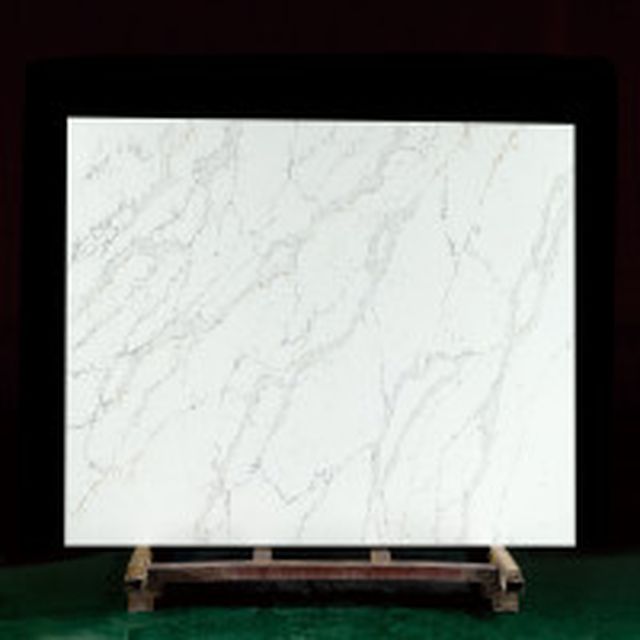
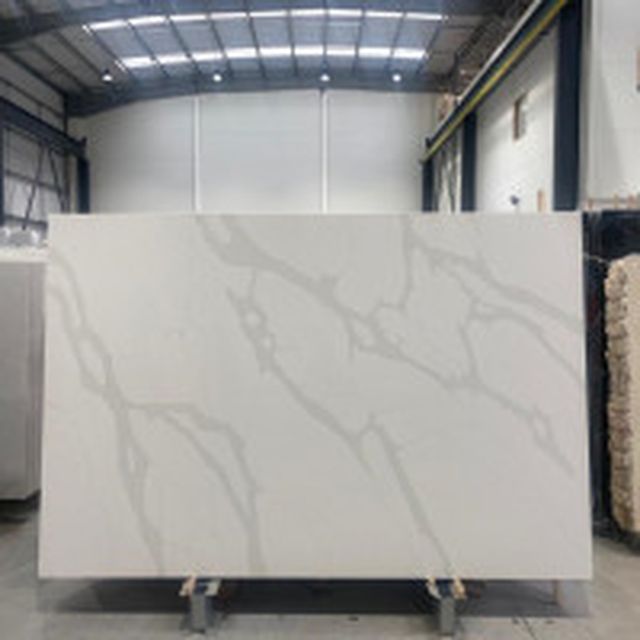
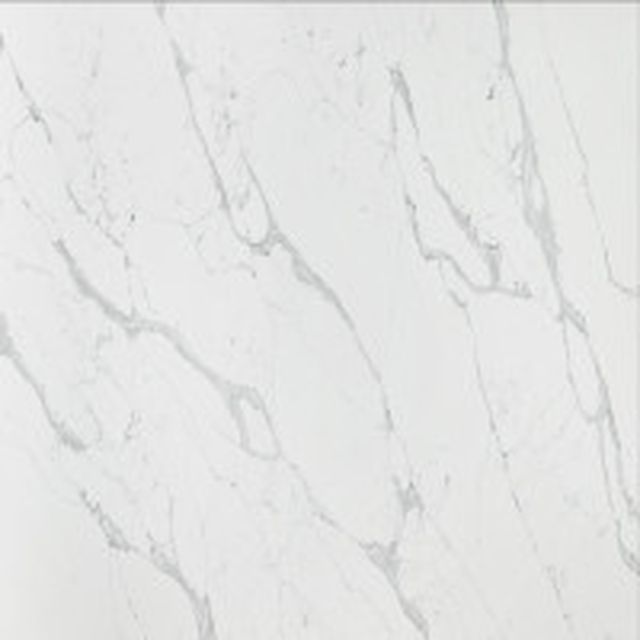
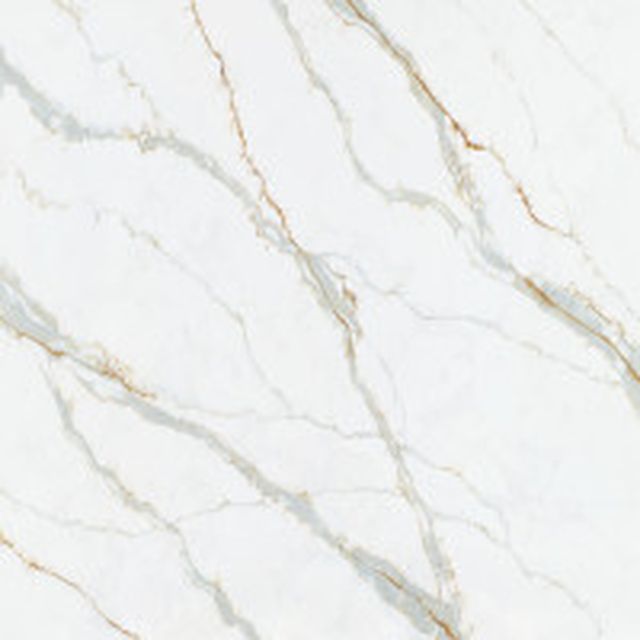
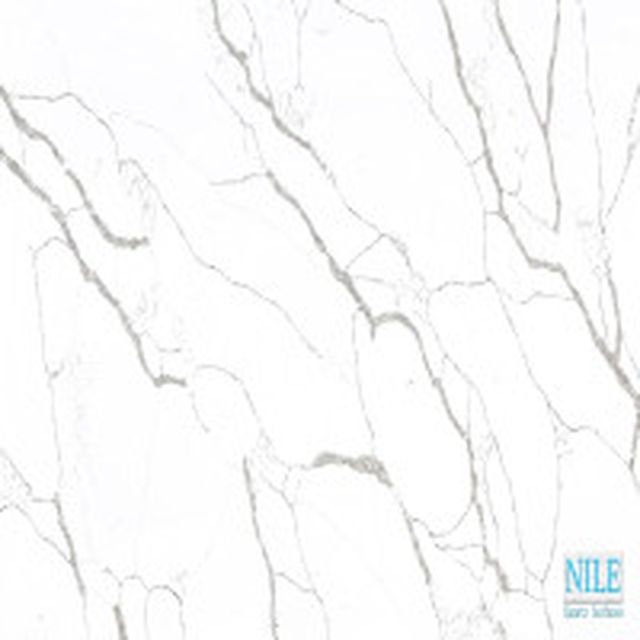
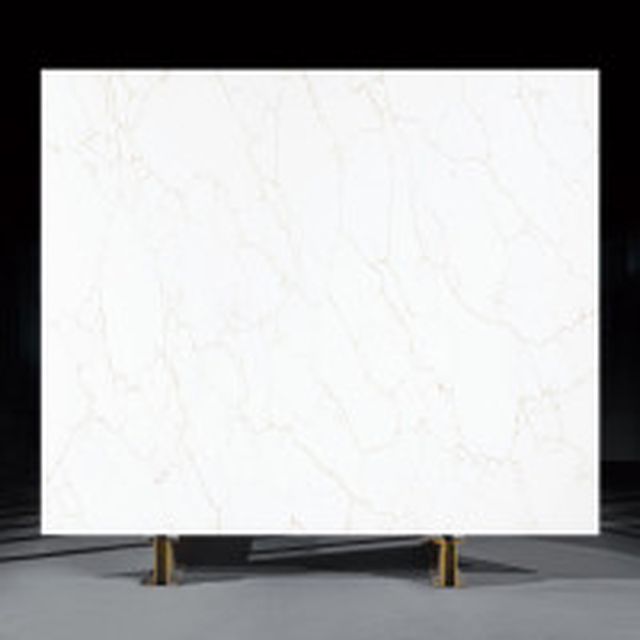
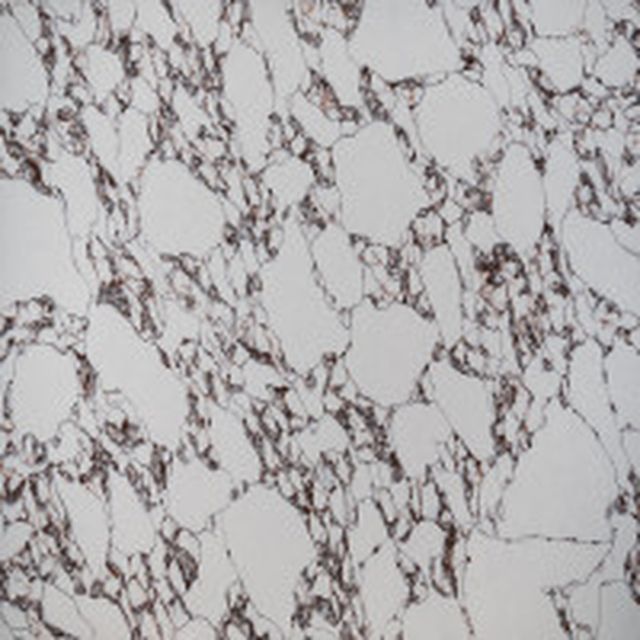
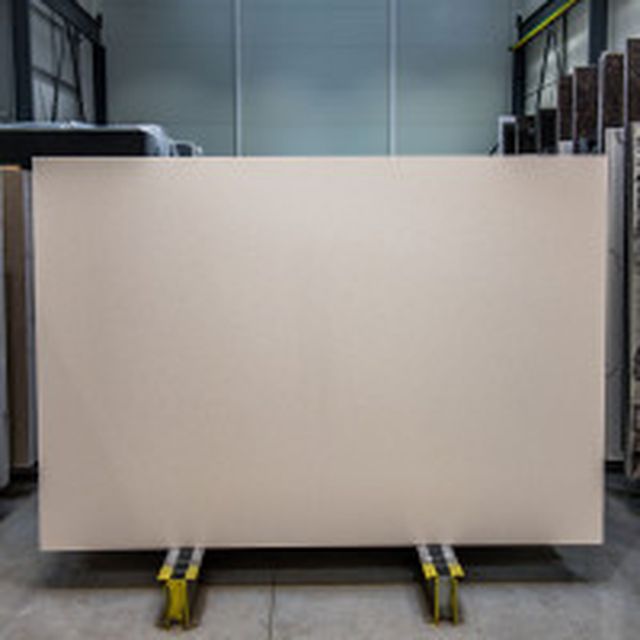
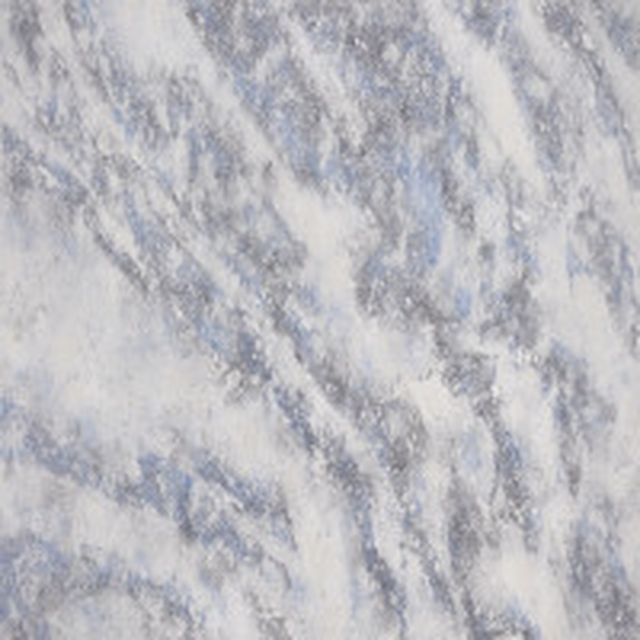
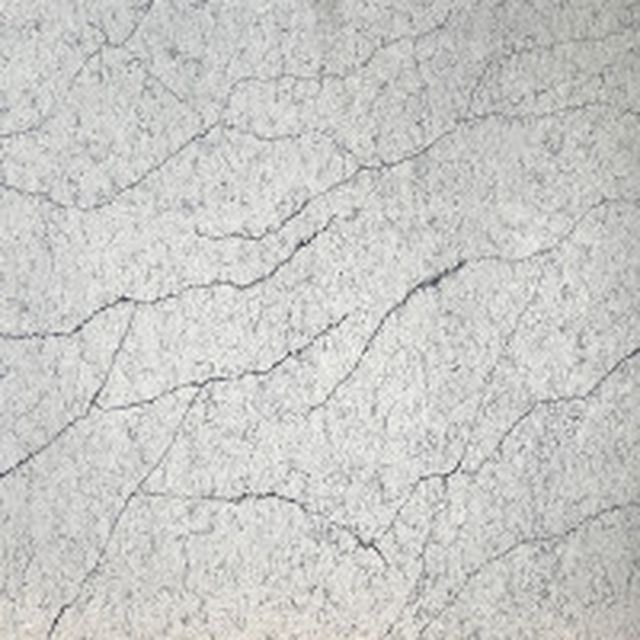
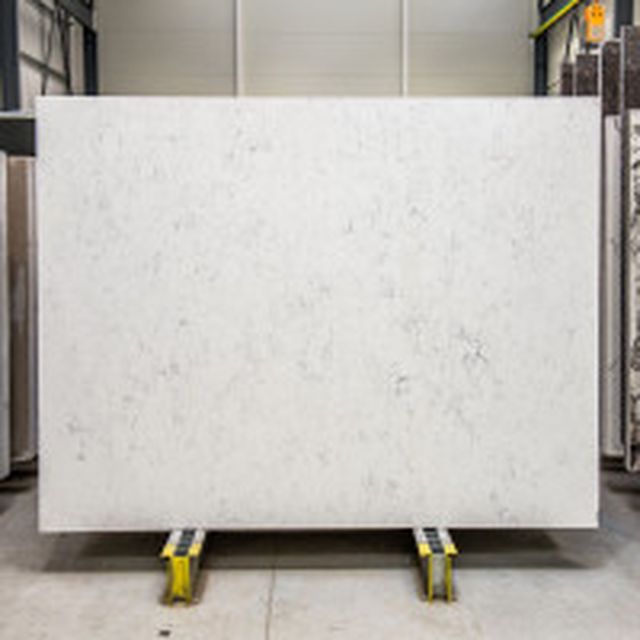
Carrara-look and Calacatta-look quartzes are our biggest sellers by some distance. You get the soft grey veining on a white background — the classic marble look — without any of marble’s maintenance headaches. No sealing. No staining. No etching from lemon juice. The best of both worlds, honestly. The slabs below are real photographs from recent stock through our supplier network — what you see is what a slab genuinely looks like.


Solid whites and greys
Clean, minimal, modern. A solid white quartz worktop with a waterfall edge on an island looks properly stunning. Grey tones — from pale concrete to deep charcoal — work in both modern and traditional kitchens.





Bold blacks
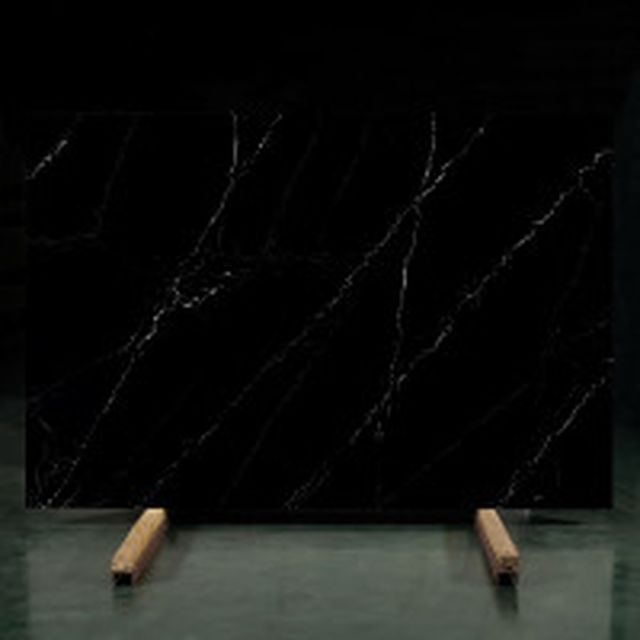
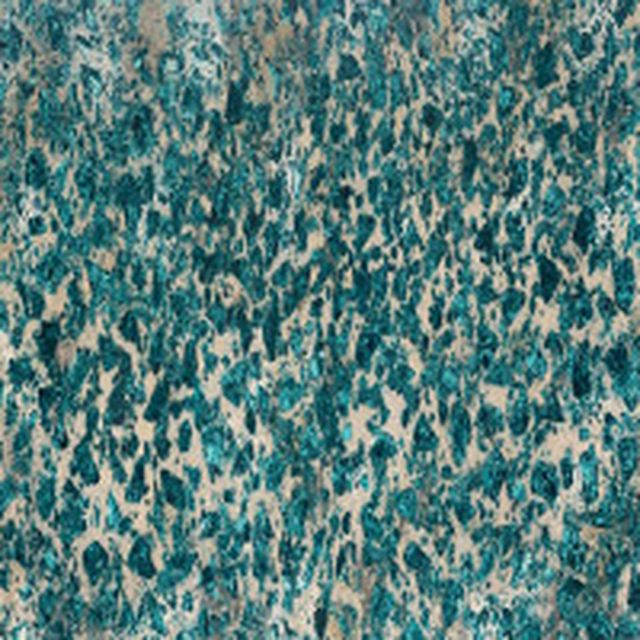
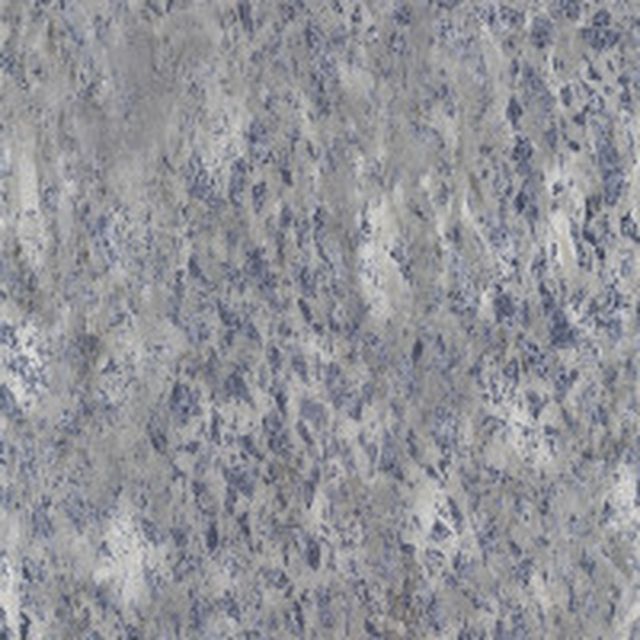
Jet black quartz makes a statement, especially against light cabinetry. We fit a lot of black worktops in handleless kitchens. The contrast is sharp. And quartz doesn’t stop at black and white — deep greens, blues and even soft lilacs are there if your kitchen can carry a statement colour.

Sparkle and mirror-fleck
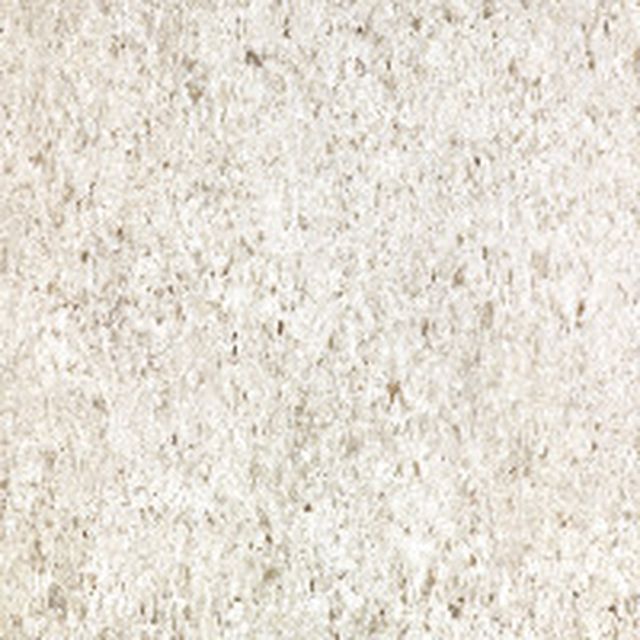
Still popular, particularly in the South East. Tiny mirror chips embedded in the quartz catch the light. Stardust Black and Stardust White have been best-sellers for years.



Not sure which style suits your kitchen? Book a free home visit. We bring samples to you, hold them against your cabinets and flooring in your own light, and the right one usually picks itself.
Where quartz works (beyond kitchen worktops)
Most of our quartz jobs are kitchens, but the surface is versatile.
- Kitchen islands, including waterfall edges where the quartz runs vertically down the side
- Bathroom vanity tops (non-porous = perfect for around basins)
- Splashbacks, cut from the same slab as the worktop for an exact colour match
- Wet rooms (the surface shrugs off shampoo, soap and limescale)
- Reception desks and shop counters for commercial fit-outs
Note that quartz isn’t suitable for outdoor use — UV breaks down the polymer binders over time, and the colour can fade. For an outdoor kitchen, granite or sintered stone is the better answer.
Looking after quartz
Daily cleaning is simple. Warm water, a drop of washing-up liquid, a soft cloth. Done.
Avoid: bleach in concentrated form (can affect resin), abrasive scouring pads (can dull the polished finish), and very acidic cleaners. None of these will destroy quartz, but consistent use over years can take the shine off.
For sticky residue (dried-on baked-on food, label glue), a non-abrasive cream cleaner like Cif sorts it. Limescale around taps comes off with a soft cloth and a watered-down white vinegar (then rinsed off properly).
Heat: don’t put hot pans straight on quartz. Use a trivet. Even a few seconds with a pan straight off the gas can leave a yellow scorch ring on certain colours.
Apart from that, quartz is the lowest-maintenance worktop you can fit.
How we fit your quartz worktops
We’ve refined this process over thousands of installations. It’s straightforward and we keep you informed at every step.
1. Consultation. Call us or send your kitchen dimensions and a few photos. We’ll talk through your options, suggest stone choices that suit your style and budget, and give you a ballpark range. No obligation, no pressure.
2. Template. When you’re ready to go ahead, our templater visits your home with a digital laser measure and creates a millimetre-accurate template of your worktop layout, including cutouts for hobs, sinks and taps. Takes about an hour.
3. Manufacture. Your worktops are cut and finished. Edges are profiled to your choice — pencil round, bullnose, chamfer, mitred, whatever you prefer.
4. Installation. Our fitting team arrives, removes your old worktops if needed, and installs the new ones. Most standard kitchens are done in a single day. We connect your hob and sink, seal everything up, and leave the kitchen spotless.
Need it fast? The 5-day fast track
Our 5-day fast-track service takes you from template to fitted worktops in just five working days. Useful when you’re mid-renovation and the kitchen is holding everything else up. Available on most stock colours.
What actually drives the cost of a quartz kitchen
We don’t quote in advance because no two kitchens are the same and a price online would be misleading. What we can tell you is what shifts the number up or down.
- The brand and colour. Standard ranges from mid-tier manufacturers cost less than headline-brand veined Calacatta-look quartzes from Silestone or Caesarstone.
- Total run length. A galley kitchen with one continuous worktop costs less than a split L-shape with an island, simply because cutting more separate pieces adds labour.
- Cutouts. Every cutout (sink, hob, sockets) takes time. Undermount sinks are more involved than overmount. Drainer grooves cut into the stone are an extra detail.
- Edge profile. Square or pencil-round edges are the standard. Mitred edges (where two slabs are joined to make a 40 mm thick visual from a 20 mm slab) cost more.
- Access. A first-floor flat with a narrow staircase costs more than a ground-floor kitchen with a side-door delivery, because lifting heavy slabs safely takes more people and more time.
- Where you are. We’re based in Thame, Oxfordshire and cover London, the Home Counties and the wider South East.
Free home consultation, written itemised quote, no hidden charges. That’s the routine.
Quartz vs granite vs marble — at a glance
| Quartz | Granite | Marble | |
|---|---|---|---|
| Heat resistance | Moderate (resin can scorch) | Excellent | Poor (etches) |
| Scratch resistance | Excellent | Excellent | Poor |
| Stain resistance | Excellent (non-porous) | Good (with sealing) | Poor |
| Maintenance | Wipe down only | Yearly reseal | Frequent care |
| Each slab unique | No (consistent batches) | Yes | Yes |
| Outdoor use | No (UV-sensitive) | Yes | No |
| Look | Engineered, uniform | Natural, characterful | Soft, veined, luxury |
For a deeper read: Granite vs Quartz Worktops — the honest comparison.
Pros and cons of quartz worktops
The case for quartz:
- Non-porous and hygienic — nothing soaks in
- No sealing, ever
- Over 1,000 colours and finishes available
- Consistent slab-to-slab match (great for big kitchens, multi-piece runs)
- Marble-look quartz gives the marble aesthetic without the marble headaches
- Available on a 5-day fast track when time matters
The case against quartz:
- Heat-sensitive — needs trivets, can scorch around 150 °C
- Not suitable for outdoor kitchens (UV degrades the resin)
- Can’t be repolished if the surface dulls in heavy-traffic spots (different from granite)
- Looks engineered rather than natural — fans of one-of-a-kind stone may prefer granite
If your priority is “low-maintenance, consistent finish, widest colour range”, quartz is the answer. If you want every slab to be unique and outdoor-capable, look at granite.
Common questions about quartz worktops
Are quartz worktops better than granite? Different jobs, different answers. Quartz wins on consistency, non-porous hygiene and zero sealing. Granite wins on heat resistance and natural character. Most clients pick by which strengths matter to them. Our comparison guide walks through the full breakdown.
Do quartz worktops stain? Properly fitted quartz resists stains very well. The non-porous surface means red wine, coffee, turmeric and beetroot can sit on it for hours and wipe off clean. Heavy oil-based stains left for days are the only exception, and even then a non-abrasive cream cleaner usually shifts them.
Can quartz worktops crack? With normal kitchen use, no. Cracks come from impact stress at thin overhangs (around sink cutouts especially) or thermal shock from very hot pans straight off the hob. We design out the impact risks at template stage and recommend trivets for hot pans.
How thick is a quartz worktop? 20 mm is the standard kitchen thickness, though 30 mm is available. Mitred edges create a chunkier visual without buying a thicker slab.
Does quartz need sealing? No. Quartz is non-porous, so there’s nothing to seal. It’s the main practical advantage over granite and marble.
Can I cut food directly on quartz? Don’t. Quartz is harder than your knives, but cutting on stone blunts knives faster than chopping on wood or plastic, and the resin in quartz can mark over time from acidic juices. Always use a board.
How long does quartz installation take? Most kitchens are fitted in a single day after templating. The 5-day fast track gets you from template to fitted worktops in five working days for most stock colours.
Can I have a marble look without the maintenance? Yes — that’s exactly why Calacatta-look and Carrara-look quartzes are our biggest sellers. The veining and tones look like marble, but you get quartz’s non-porous, no-seal practicality.
Can quartz go outside? We don’t recommend it. The polymer resins that bind the quartz can degrade under UV over time, and the colour can fade. For outdoor kitchens, granite is the safer choice.
Do you fit quartz in London? Yes. We’re based in Thame, Oxfordshire and cover central and outer London regularly. See Quartz Worktops London.
Why choose IP Stone
We’re a small, specialist team based in Thame, Oxfordshire. Stone worktops are all we do — we’re not a general builder who fits the odd kitchen on the side. This is our trade.
- 16 years in the business. We’ve fitted thousands of kitchens across London, the Home Counties and the wider South East.
- Our own fitting team — no subcontractors. The lads who template your kitchen are the same ones who fit it.
- Free home consultation. We bring samples to you, measure up and give you an honest quote on the spot.
- 1,000+ colours in stock or on short lead. If it exists in quartz, we can usually get it.
- 5-day fast track. When time’s tight, we deliver.
Get in touch
Send us a few photos of your kitchen and your rough measurements. We’ll come back with a written quote, usually within 24 hours. No hard sell. Straight answers.
[Contact form to be inserted here by owner]
Paula (office): 01844 698 821 Direct mobile: 07492 363 932 Email: info@ipstone.co.uk
Quartz worktops near you
We supply and fit quartz across London, the Home Counties and the wider South East. Some of the towns we cover most often (linking to existing area pages):
- Quartz Worktops London
- Quartz Worktops Oxford
- Quartz Worktops Reading
- Quartz Worktops Watford
- Quartz Worktops Milton Keynes
- Quartz Worktops St Albans
- Quartz Worktops Henley-on-Thames
- Quartz Worktops Beaconsfield
- Quartz Worktops Windsor
- Quartz Worktops Richmond
- Quartz Worktops Leicester
- Quartz Worktops Norwich
- Quartz Worktops Cambridge
- Quartz Worktops Birmingham
- Quartz Worktops Southampton
Related guides
- Granite vs Quartz — which should you choose?
- Granite Worktops
- Marble Worktops
- Kitchen Worktop Replacement — keep the cabinets, swap the tops
- Quartz Overlay Worktops