Natural stone, every slab one of a kind, fitted to last a lifetime. Supplied and installed by our own team across London, the Home Counties and the wider South East. We’ve been fitting kitchen worktops in stone for 16 years from our base in Thame, Oxfordshire.
Free home consultation. Honest written quote within 24 hours.
☎️ Office 01844 698 821
📱 Paula 07492 363 932
📱 Zyggi 07976 596 277
What granite actually is
Granite is an igneous rock. It formed deep underground from slowly cooling magma over millions of years. That slow cooling created the interlocking crystal structure that makes granite so absurdly hard.
Every slab is genuinely unique. The minerals present when it formed (feldspar, mica, quartz, hornblende) decide the colour and pattern. No two slabs are the same. Ever.
When people picture “natural stone”, granite is what they’re picturing. It’s been used in building for thousands of years. Egyptian obelisks. Roman columns. Most of central Aberdeen. As a kitchen worktop, it brings that same permanence into your house. Fit it once, you don’t fit it again.
Why people choose granite
Quartz outsells it these days, but granite still does things engineered stone can’t. Plenty of clients sit at the kitchen table with samples of both, then pick granite anyway. Here’s why.
It laughs at heat
Put a roasting tin straight from a 250 °C oven onto granite. Walk away. Come back. There’ll be no scorch mark, no discolouration, nothing. The stone formed in magma. Your dinner isn’t going to upset it.
If you’re the cook who’s always got hot pans in mid-air looking for a landing strip, granite is the worktop that takes them.
It’s harder than your knives
Granite sits at 6 to 7 on the Mohs hardness scale. Your kitchen knife is softer than that. You could chop directly on granite (we’d still suggest a board, because it’ll dull the knives faster than anything else in the kitchen). Day-to-day, scratches simply don’t appear.
Every slab tells a geological story
The veining, the crystal clusters, the subtle shifts in tone — none of it is printed or designed. It’s millions of years of geological pressure made visible. If you want consistency, that’s quartz’s job. If you want one-of-a-kind, that’s granite’s.
It adds value when you sell
Estate agents notice granite in a kitchen. Buyers notice it. It signals quality without trying to. And unlike trend-driven materials, it doesn’t date.
Granite worktop colours we fit
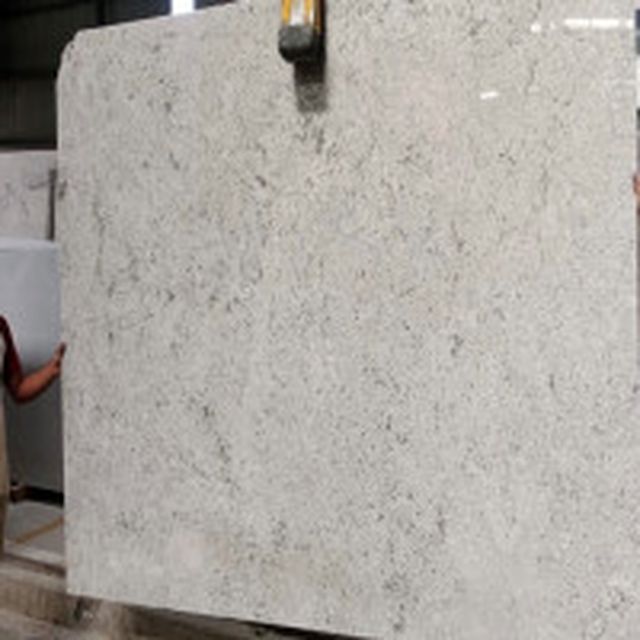
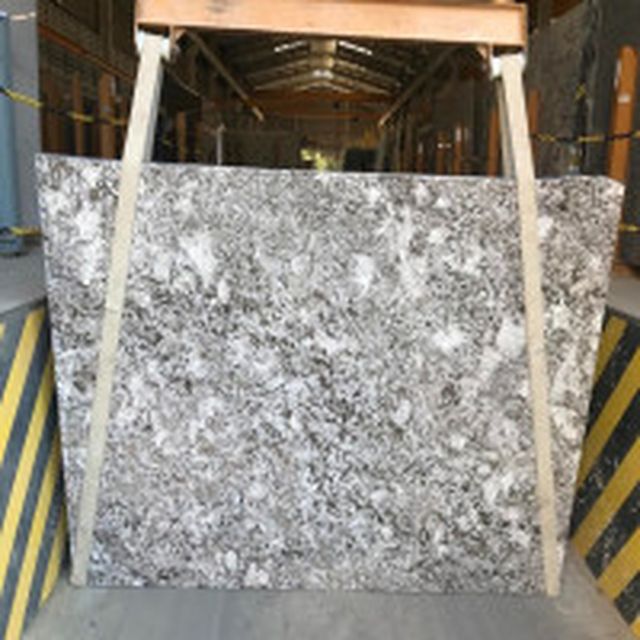
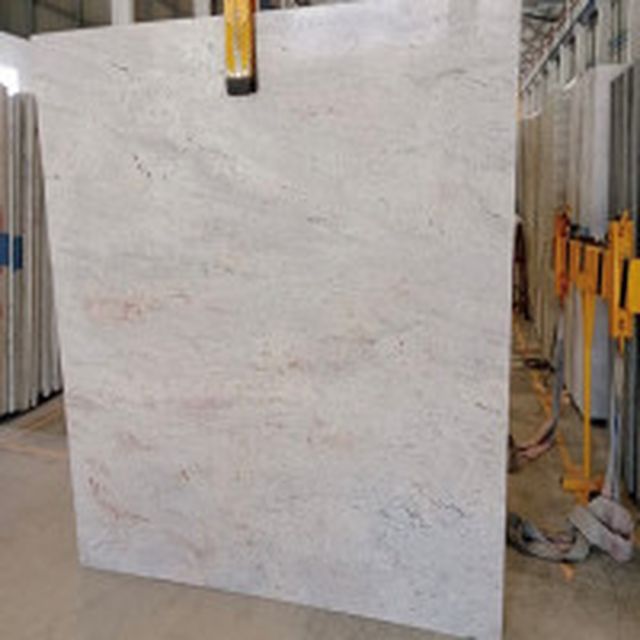
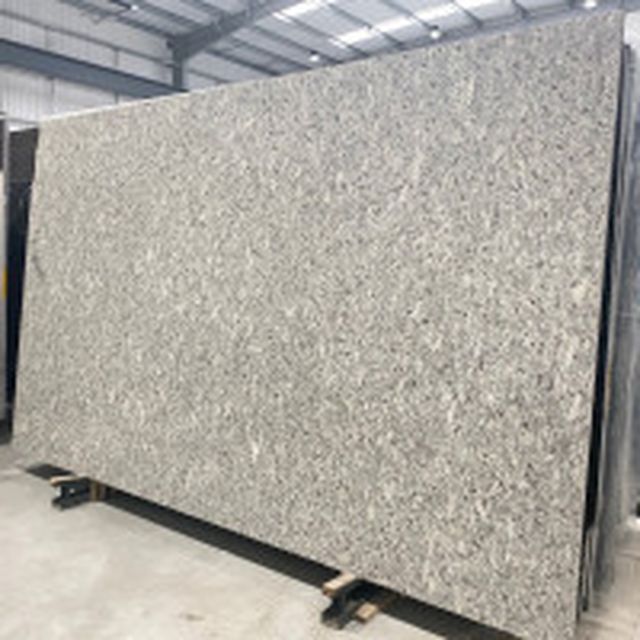
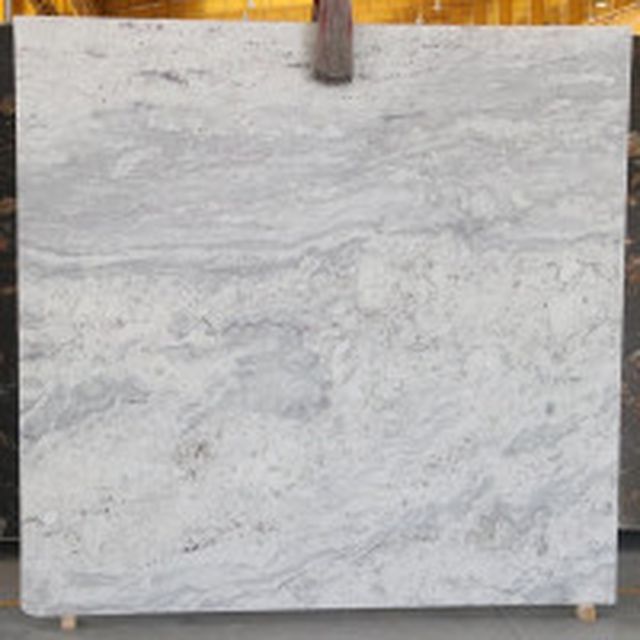
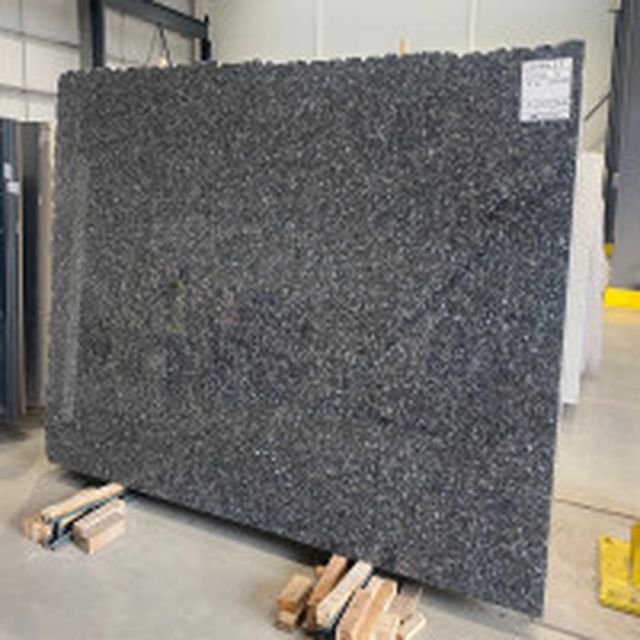
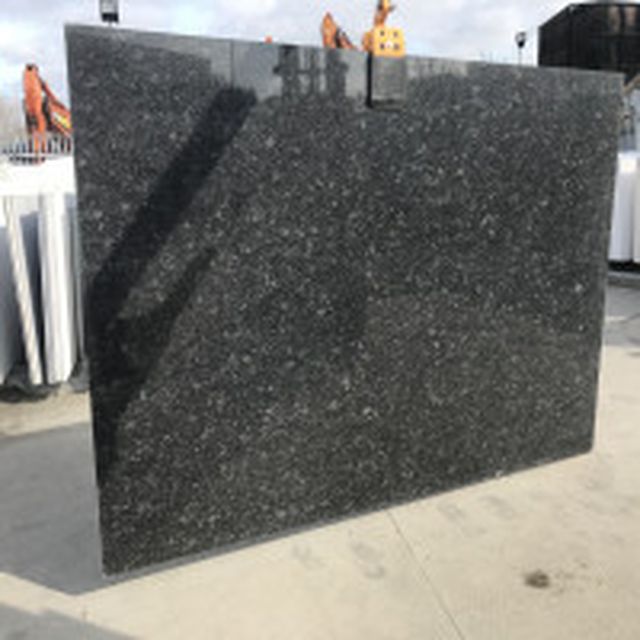
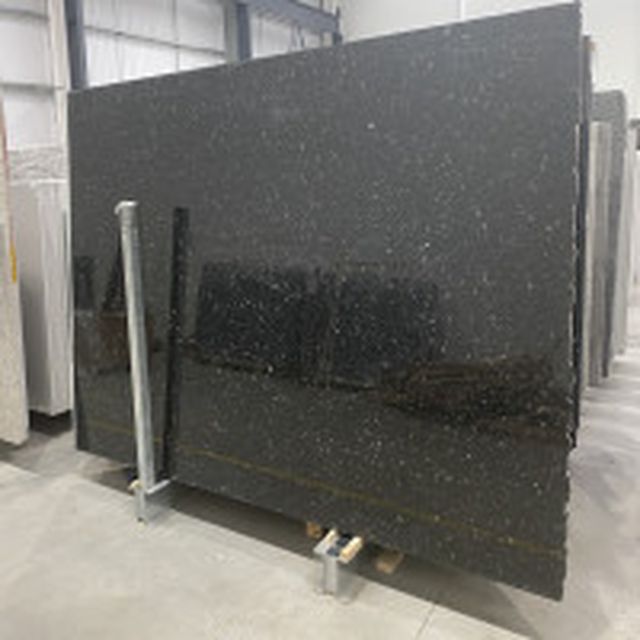
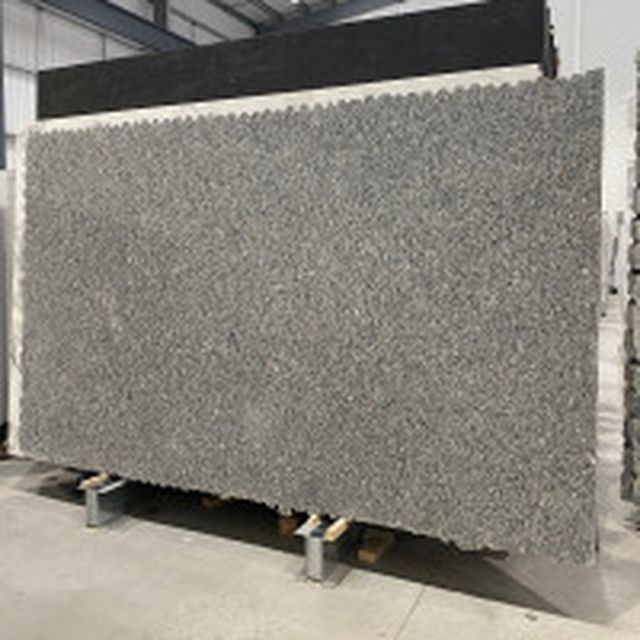
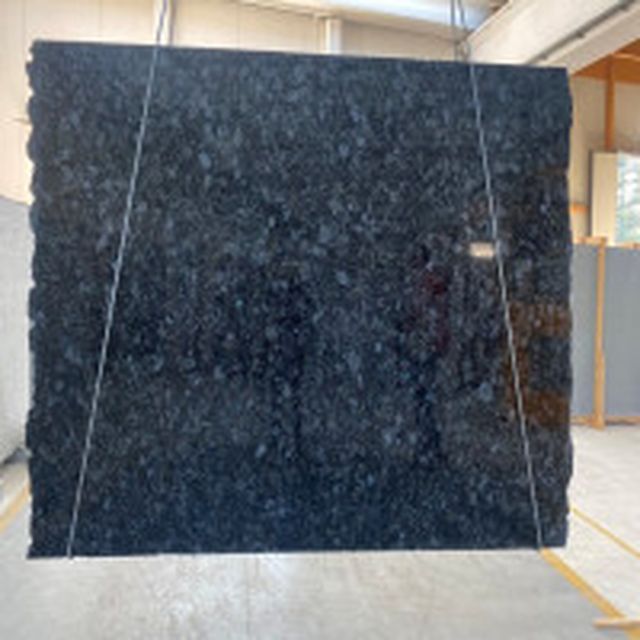
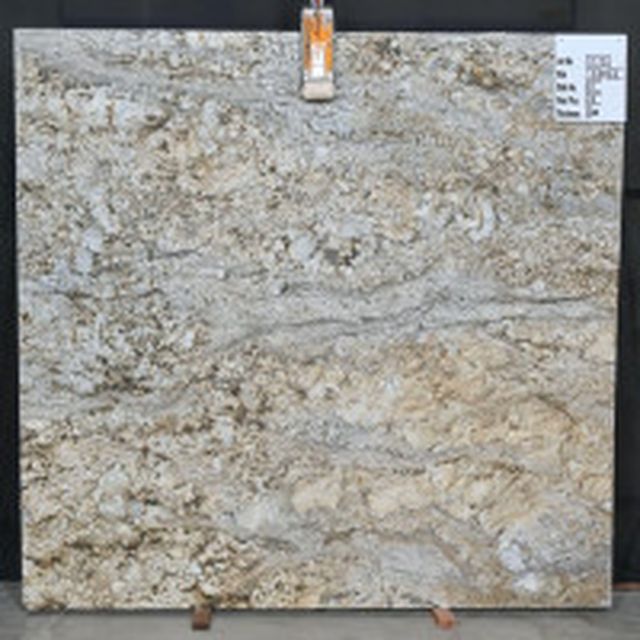
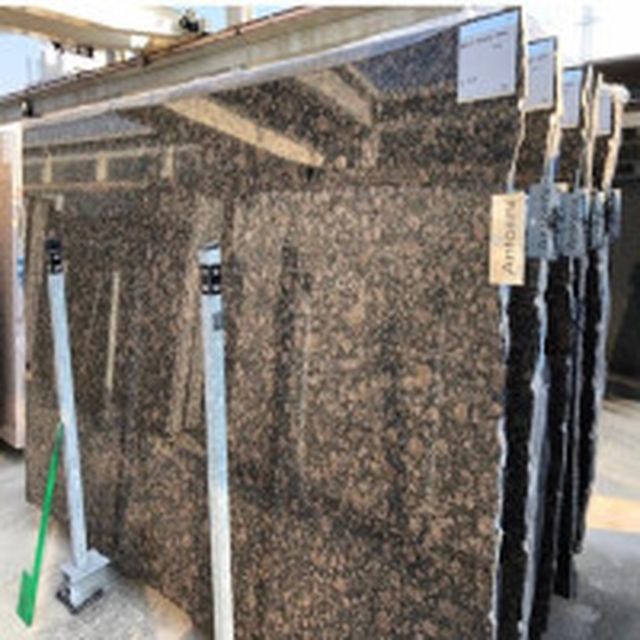
Granite is quarried in Brazil, India, Scandinavia, southern Africa and elsewhere. Below are the stones our clients ask for most often, grouped by colour, and they’re consistently available through our UK stone supplier network. The photos are of real slabs, not manufacturer renders — and because every slab is unique, we’ll arrange for you to pick your exact slab by hand before it’s cut.
Black granite worktops
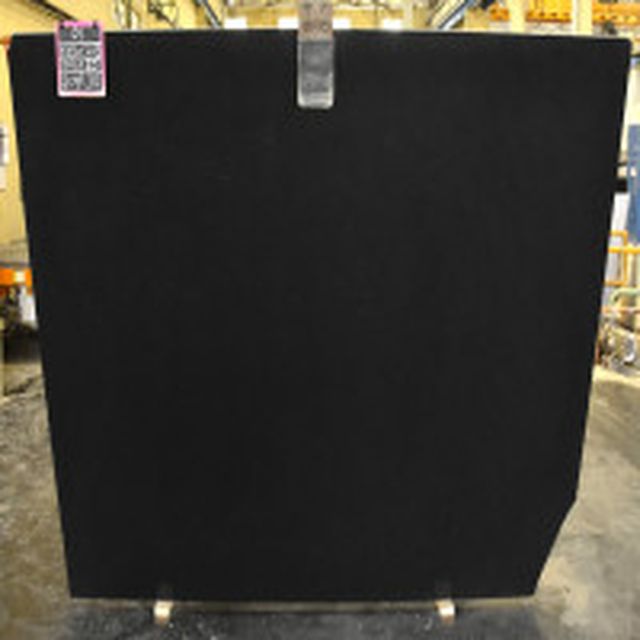
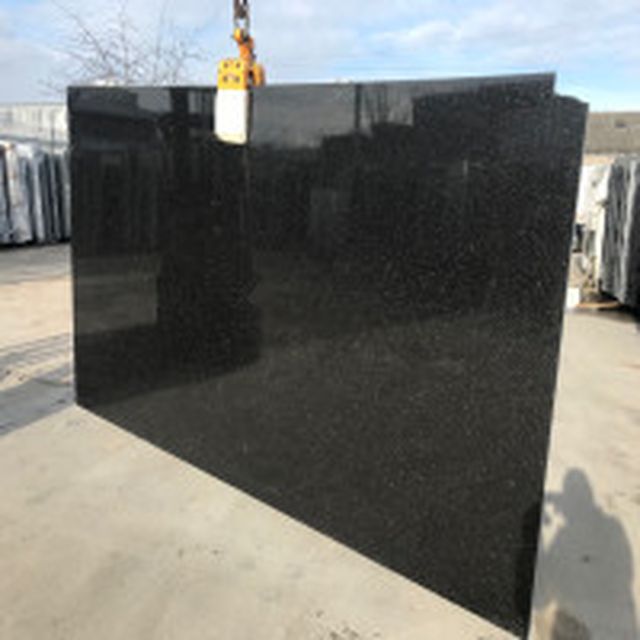
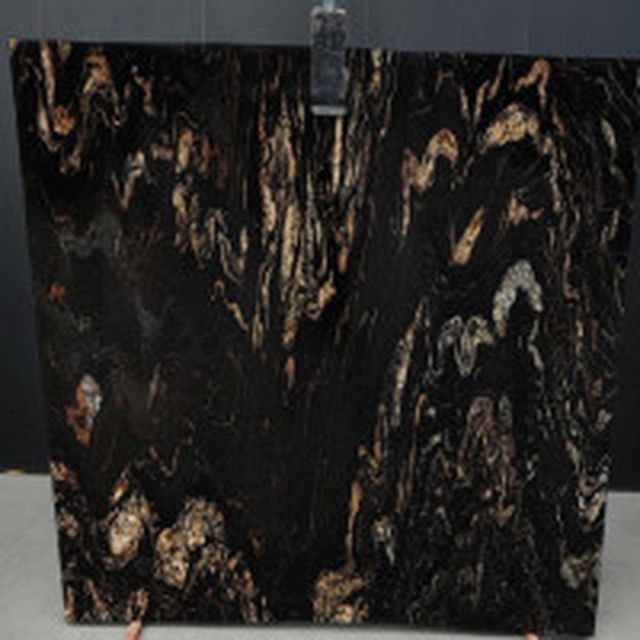
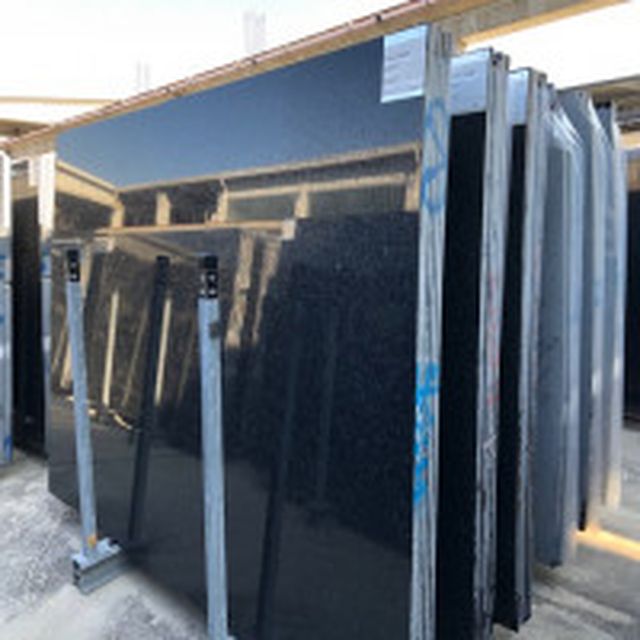
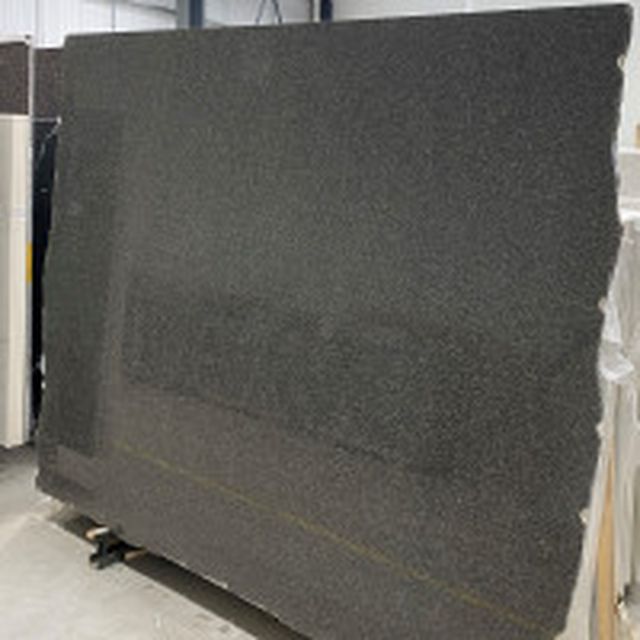
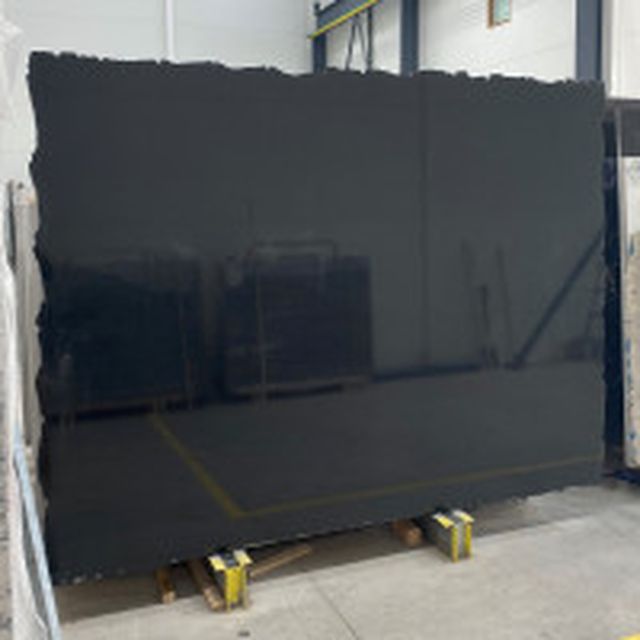
Absolute Black (Zimbabwe) is the go-to for modern kitchens: deep, consistent black with a mirror finish that looks brilliant against high-gloss white units. Star Galaxy (India) is jet black scattered with tiny gold flecks that catch the light — probably the most recognisable granite in the UK. Prefer something quieter? Cosmic Black brings smoky, wave-like veining, and most blacks are also available honed or leathered for a soft matt feel instead of a polish.
White and cream granite worktops
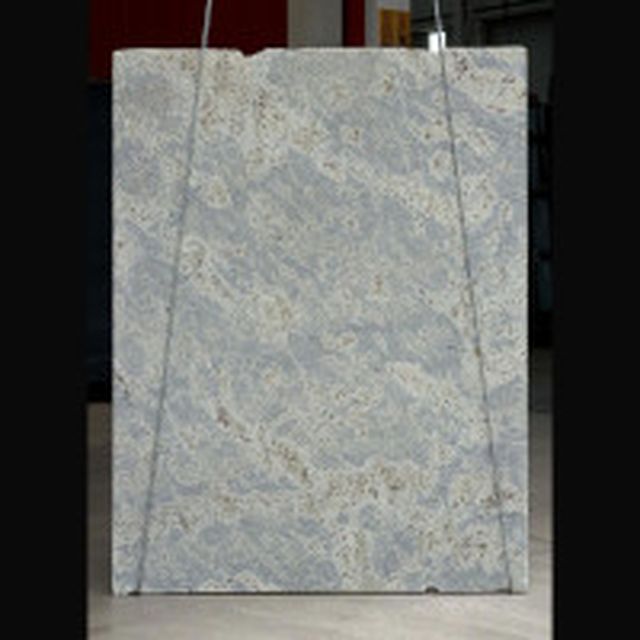
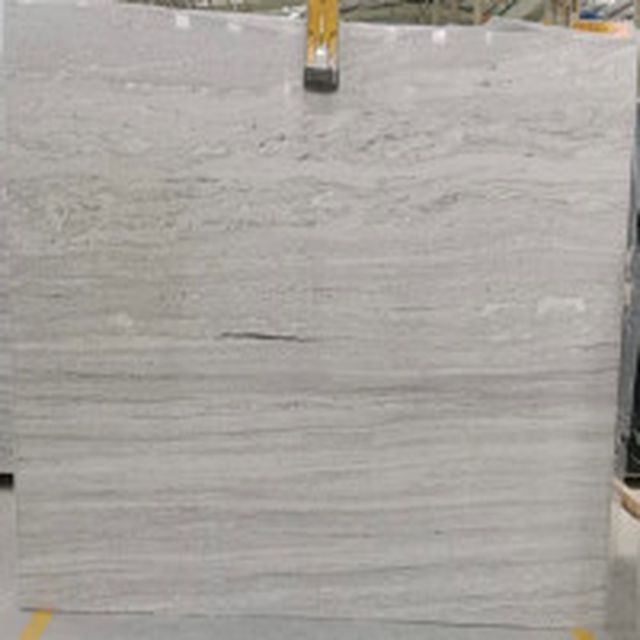
Kashmir White (India) has a soft white background with grey and garnet specks — subtle, elegant, and at home in both contemporary and traditional kitchens. River White and Colonial White stay cool and calm; Bianco Antico and Ivory Fantasy bring more movement and warmth. White granites are a natural pick if you like the pale-worktop look but want real stone under your hands.
Grey and blue granite worktops
Blue Pearl (Norway) is dark grey-blue with shimmering labradorite crystals that properly catch the eye — visitors always comment on it. Steel Grey is the dependable mid-grey that suits almost any cabinet colour, and it takes a leathered finish beautifully. Emerald Pearl and Volga Blue add that same crystal shimmer in deeper tones.
Brown and gold granite worktops
Baltic Brown (Finland) is the classic: warm brown with large circular feldspar crystals, on UK kitchens for twenty-plus years and still handsome. Tan Brown (India) is rich brown and black with golden highlights that pair especially well with oak or walnut cabinetry. Fantasy Brown flows more like marble, while New Venetian Gold and Madura Gold warm the whole room up.
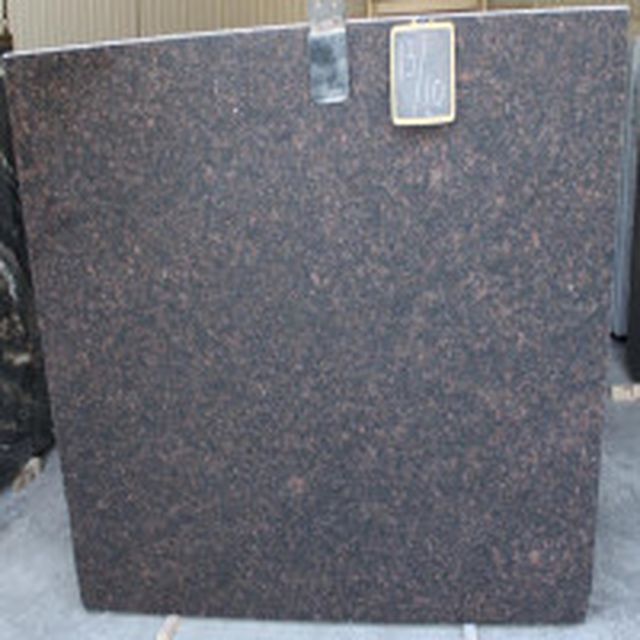
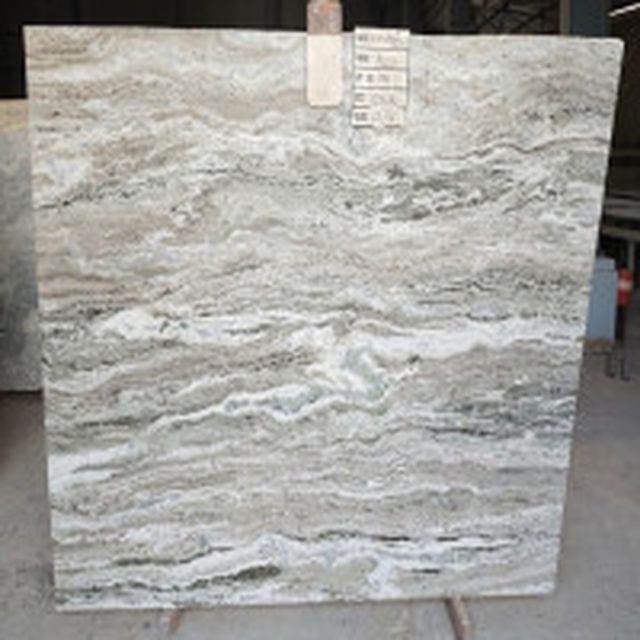
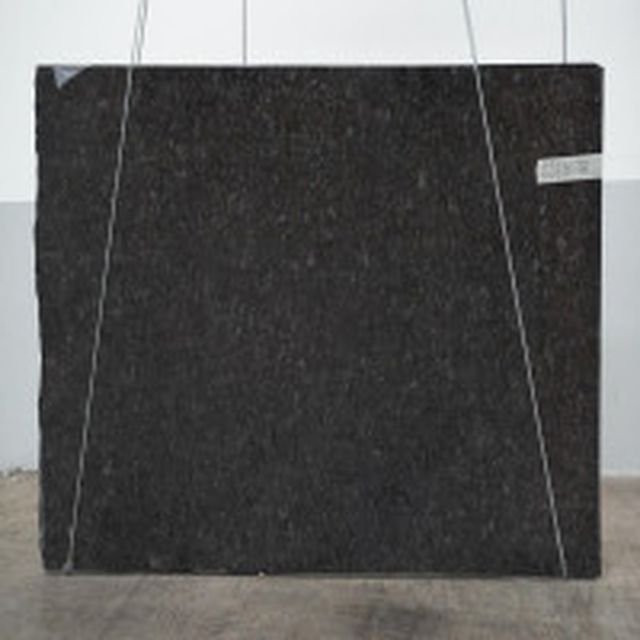
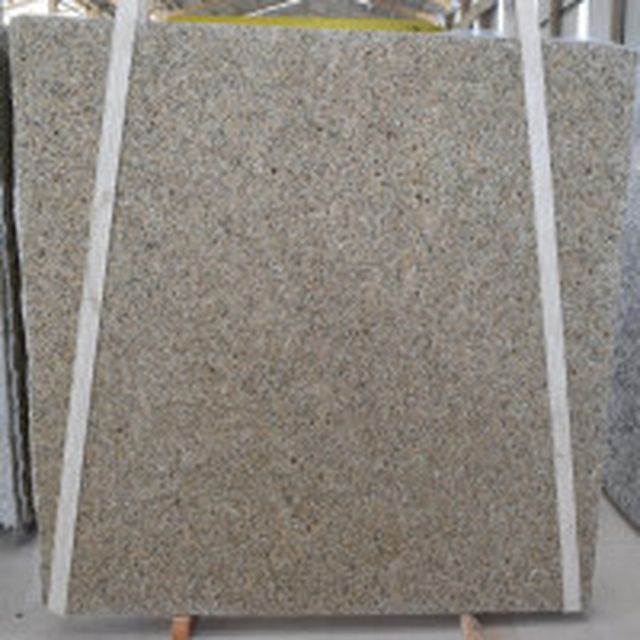
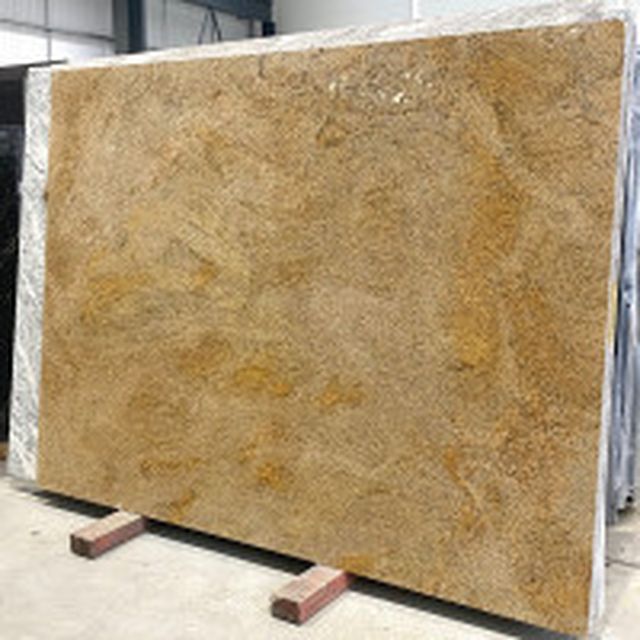
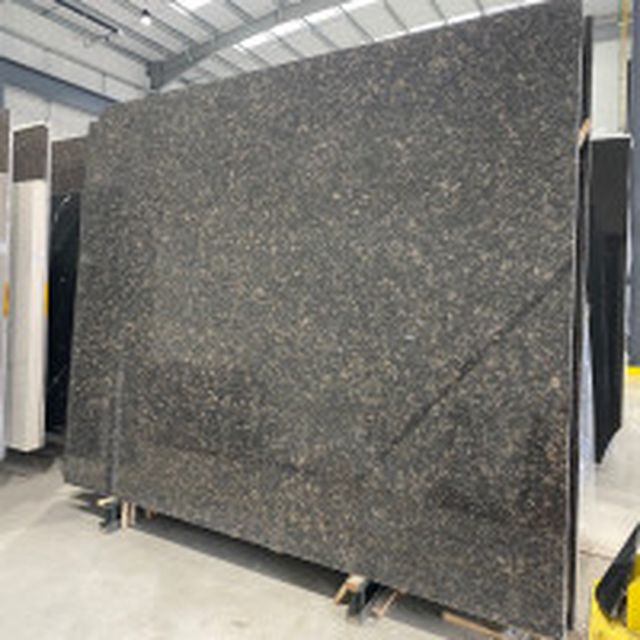
These are the colours we fit most. We have access to hundreds of varieties through our UK stone supplier network — if you’ve seen a stone online or in a showroom, tell us the name and we can usually track it down. Most colours come in a choice of finishes: polished (the classic mirror shine), honed (soft matt) or leathered (gently textured, hides fingerprints brilliantly).
Where granite works (beyond kitchen worktops)
Most of our granite jobs are kitchens, but the stone is versatile.
- Kitchen islands, including long single-piece tops over two metres
- Bathroom vanity tops (granite shrugs off water and toiletries)
- Fireplace surrounds and hearths (heat-proof, and the visual weight suits a fireplace)
- Outdoor BBQ areas and garden bars (granite handles frost, rain and UK summers without fading)
- Wet rooms for splashbacks and shelves
We’ve fitted outdoor kitchen tops that still look perfect five years on. Granite is one of the few stones that genuinely works outside in the British climate.
Looking after granite — the honest version
Granite needs a bit more care than quartz. Not a lot. Some.
Daily cleaning is simple. Warm water, a drop of washing-up liquid, a soft cloth. That’s it. Avoid anything acidic (lemon juice in concentrated form, neat vinegar, harsh bathroom sprays) and avoid bleach. Both can dull the polish over time.
Sealing matters. Granite is a natural stone with microscopic pores. A quality impregnating sealer fills those pores so liquids can’t soak in. We seal every worktop before we leave your kitchen. After that, an annual top-up keeps it protected.
The annual reseal takes about fifteen minutes. You wipe sealer on, leave it ten minutes, buff it off. That’s the whole job.
If you keep up with the yearly seal, granite is remarkably low-maintenance. We’ve revisited kitchens we fitted a decade ago and the worktops look identical to the day they went in.
How we fit granite — start to finish
We do everything in-house. From first phone call to the final polish, the same small team handles your job.
1. Initial chat. Call us or send photos and rough measurements. We’ll talk through stone options, give you a ballpark, and arrange a home visit if you’d like to put samples against your cabinets in your own light.
2. Templating. Our templater visits with a digital laser system and maps your kitchen to the millimetre. Every cutout, every angle, every edge profile, recorded precisely. Cabinets need to be fully fitted and level by this point.
3. Slab selection. This part matters more for granite than for quartz. Because every slab is different, we’ll arrange for you to visit the stockyard and pick your exact slabs by hand. Especially worthwhile for heavily veined or movement-rich stones, where two slabs from the same block can look surprisingly different.
4. Fabrication. Your worktops are cut, edge-profiled and polished.
5. Installation. Our fitters install, seal, plumb in your sink and reconnect your hob. Most kitchens are done in a single day.
What actually drives the cost of a granite kitchen
We don’t quote in advance because no two kitchens are the same and a price online would be misleading. What we can tell you is what shifts the number up or down.
- The stone itself. Common granites cost less than rare or heavily veined exotic stones.
- Total run length. A simple galley kitchen with one continuous worktop costs less than a split L-shape with an island, because cutting more separate pieces adds labour.
- Cutouts. Each cutout (sink, hob, sockets) takes time. Undermount sinks are more involved than overmount. Drainer grooves cut into the stone are an extra detail.
- Edge profile. Square edge is the standard. Mitred, ogee, bullnose and other profiles cost more.
- Access. A first-floor flat with a narrow staircase costs more than a ground-floor kitchen with a side-door delivery, because lifting heavy slabs safely takes more people and more time.
- Where you are. We’re based in Thame, Oxfordshire and cover London, the Home Counties and the wider South East.
Free home consultation, written itemised quote, no hidden charges. That’s the routine.
Granite vs quartz vs marble — at a glance
| Granite | Quartz | Marble | |
|---|---|---|---|
| Heat resistance | Excellent | Moderate (resin can scorch) | Poor (etches) |
| Scratch resistance | Excellent | Excellent | Poor |
| Stain resistance | Good (with sealing) | Excellent | Poor |
| Maintenance | Yearly reseal | Wipe down only | Frequent care |
| Each slab unique | Yes | No (consistent) | Yes |
| Outdoor use | Yes | No | No |
| Look | Natural, characterful | Engineered, uniform | Soft, veined, luxury |
For a deeper read: Granite vs Quartz Worktops — the honest comparison.
Pros and cons of granite worktops
The case for granite:
- Practically heat- and scratch-proof in domestic use
- Natural stone, every slab one of a kind
- Adds value to your home and dates well
- Outdoor-ready (frost, rain, UV)
- Available across hundreds of colours and patterns
The case against granite:
- Needs sealing once a year (fifteen-minute job)
- Heavily veined exotic stones cost more than uniform options
- Can chip if a heavy item is dropped onto a thin overhang.
- Slab weight is significant. Tight access (lifts, narrow stairs) needs planning.
If your priority is “natural stone that lasts and looks like nothing else”, granite is the answer. If your priority is “zero maintenance, factory-uniform finish”, look at quartz instead.
Common questions about granite worktops
Is granite better than quartz? Different jobs, different answers. Granite wins on heat resistance and natural character. Quartz wins on consistency and zero sealing. Most clients choose by which strengths matter to them. Read our comparison guide for the full breakdown.
Do granite worktops stain? Properly sealed granite resists stains very well. Without sealing, certain liquids (red wine, oil, lemon juice) can mark the surface if left to soak. The annual reseal we recommend keeps stains out for the life of the worktop.
Can granite crack? With normal kitchen use, no. Cracks come from impact stress at thin overhangs (around sink cutouts, especially) or thermal shock at structural weak points. We design out those risks at template stage. Heavy items dropped from height onto an unsupported corner can cause damage on any stone.
How thick is granite worktop? 30 mm is the standard kitchen thickness. 20 mm is available for lighter applications. Mitred edges can create a thicker visual without buying a thicker slab.
Does granite need sealing? Yes. We seal every worktop on installation. After that, an annual top-up takes about fifteen minutes and keeps the stone protected.
Can I cut food directly on granite? You can. Granite is harder than your knives. The catch is that chopping on stone blunts the knives faster than chopping on wood or plastic. We always recommend a board.
How long does granite installation take? Most kitchens are fitted in a single day. The full timeline from sign-off through templating, fabrication and installation depends on slab availability and edge complexity — we’ll give you a date in writing when you book.
Can you fit granite outdoors? Yes. Granite is one of the few stones that handles UK weather without fading or cracking. We’ve fitted outdoor kitchen tops that still look perfect years later.
Do you fit granite in London? Yes. We’re based in Thame, Oxfordshire, and cover central and outer London regularly. See Granite Worktops London.
Get in touch
Send us photos of your kitchen and rough dimensions. We’ll come back with an honest assessment within 24 hours, usually faster. Or call. No pressure, no jargon, no hard sell — just practical advice from people who fit stone every day.
[Contact form to be inserted here by owner]
Paula (office): 01844 698 821 Direct mobile: 07492 363 932 Email: info@ipstone.co.uk
Granite worktops near you
We supply and fit granite across London, the Home Counties and the wider South East. Some of the towns we cover most often (linking to existing area pages):
- Granite Worktops London
- Granite Worktops Oxford
- Granite Worktops Reading
- Granite Worktops Watford
- Granite Worktops Milton Keynes
- Granite Worktops St Albans
- Granite Worktops Henley-on-Thames
- Granite Worktops Beaconsfield
- Granite Worktops Windsor
- Granite Worktops Richmond
- Granite Worktops Leicester
- Granite Worktops Norwich
- Granite Worktops Cambridge
- Granite Worktops Birmingham
- Granite Worktops Southampton
Related guides
- Granite vs Quartz — which should you choose?
- Quartz Worktops
- Marble Worktops
- Dekton Worktops — the sintered-stone alternative
- Kitchen Worktop Replacement — keep the cabinets, swap the tops
- Quartz Overlay Worktops